
Rathmore – Barraduff – Kilgarvan – Kenmare – Bonane – Glengarriff – Ballylickey – Pearson’s Bridge – Kealkill – Coppeen – Béal na Bláth – Crookstown – Coachford – Dripsey – Nad – Lyre – Banteer
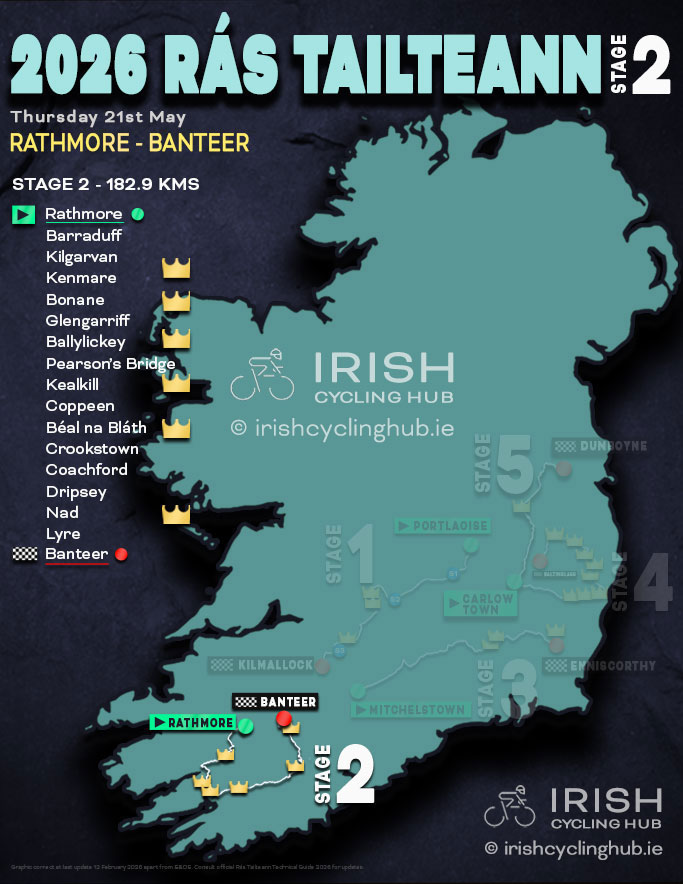
Stage 2 starts in Rathmore and feels, instantly, like a stage from another era: long distance, repeated climbing, and a finish town steeped in Rás tradition. Kerry is not simply scenery here, it is history.
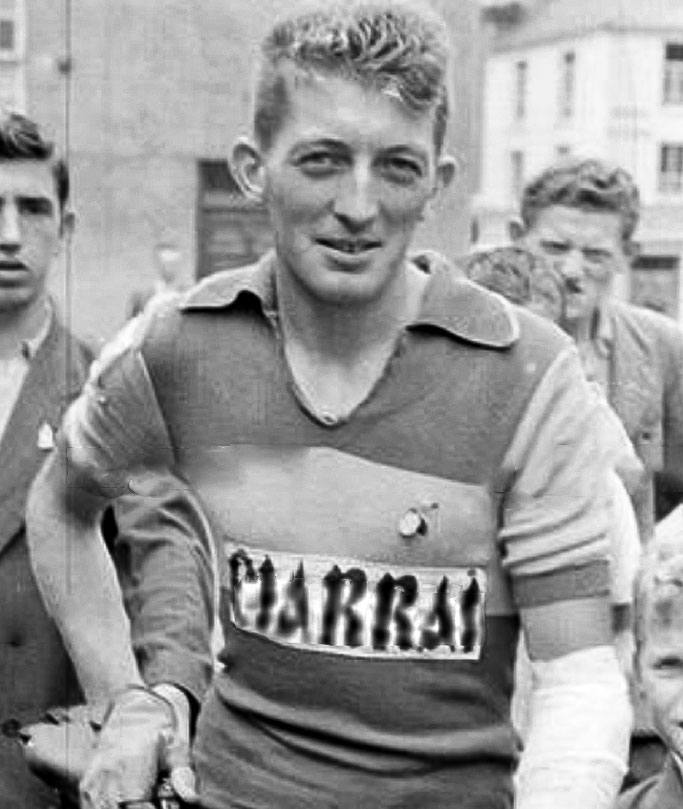
The county sits prominently in the early chapters of the roll of honour, and Paudie Fitzgerald’s 1956 overall victory remains one of the defining legendary wins. Launching a decisive stage from Kerry carries real weight.
The stage is officially set for Thursday, May 21st, 2026, covering 182.9 km from Rathmore, Co. Kerry, to Banteer, Co. Cork. Following a transfer after Stage 1's finish in Kilmallock, the peloton begins near the home of Sliabh Luachra Cycling Club - a group that's grown significantly in recent years and adds local flavor to the start.
On the road, the stage asks questions in layers rather than one big exam. It features six categorised climbs, making it one of the most demanding days of the 2026 Rás Tailteann (which totals 785kms and 21 categorised climbs across five stages).
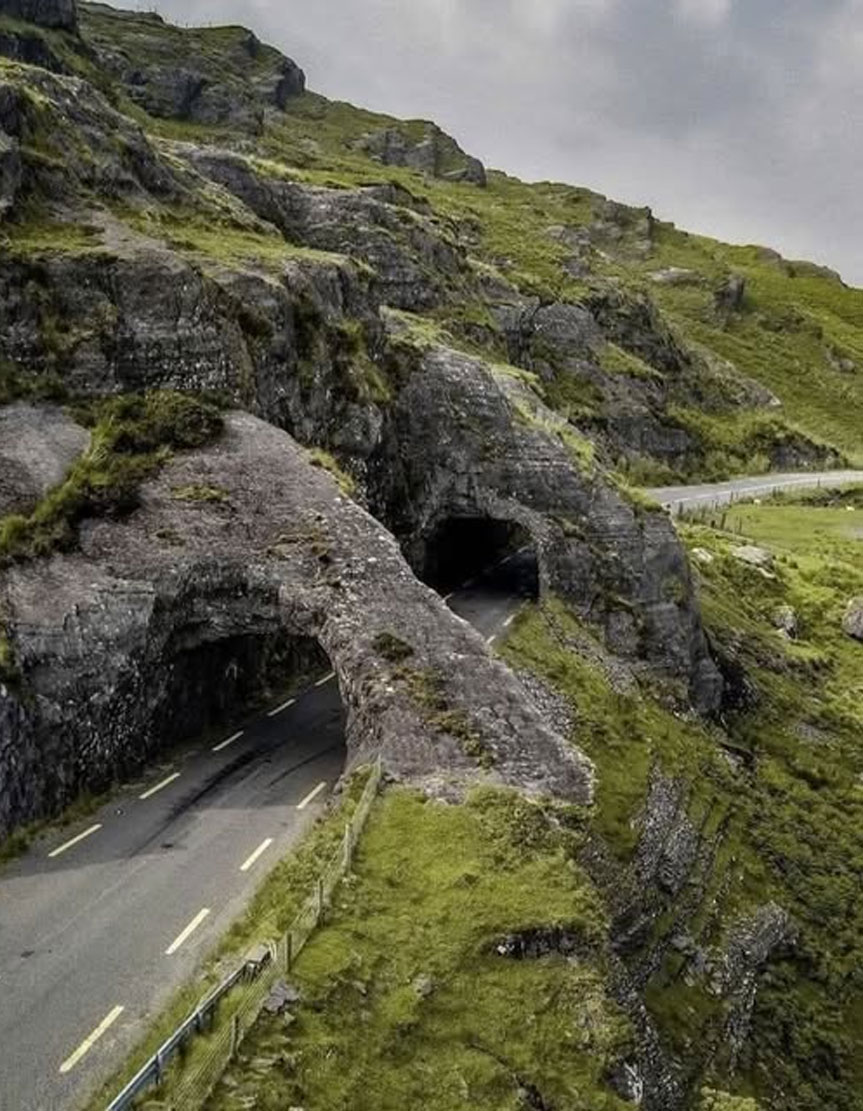
A Category 3 climb before Kilgarvan lights the fuse early, loosening legs through Barraduff and Kilgarvan. The route then winds through Kenmare and into West Cork, where the terrain keeps coming: the iconic Caha Pass (with its famed Tunnel Road) delivers drama and stunning coastal-mountain scenery, descending into Glengarriff.
A further Category 3 follows, leading to the longer ascent of Gougane Gap (Gougane Barra) - a grinding, relentless test that can expose riders who arrived underprepared or isolated without team support.
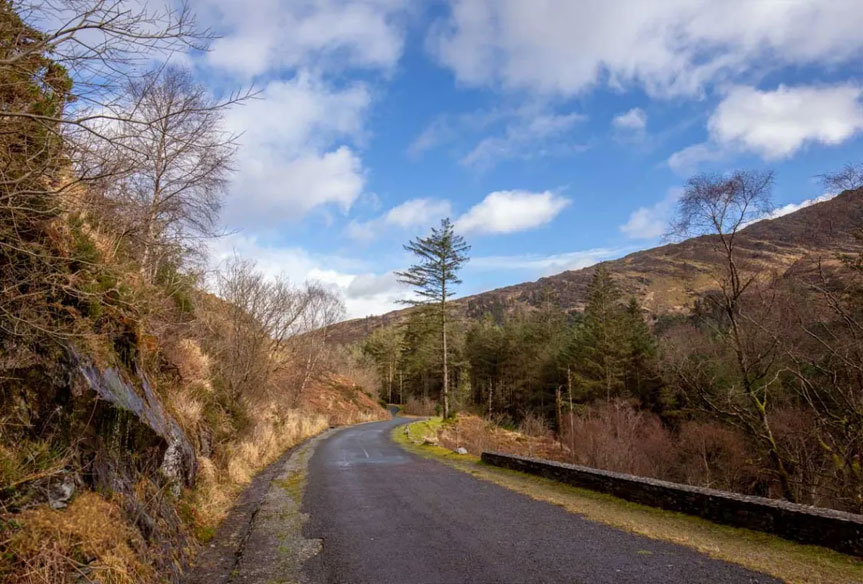
Two more Category 3 climbs on the approach to Banteer round out the punishment, turning the stage into a war of attrition. This is where a strong team can impose order, controlling the pace and protecting their leader, while an isolated rider can quietly lose the race without any single headline moment - no dramatic attacks needed, just the cumulative toll of repeated efforts over nearly 183 km.
Banteer is the perfect finish for that kind of day, because the place understands what it is watching.
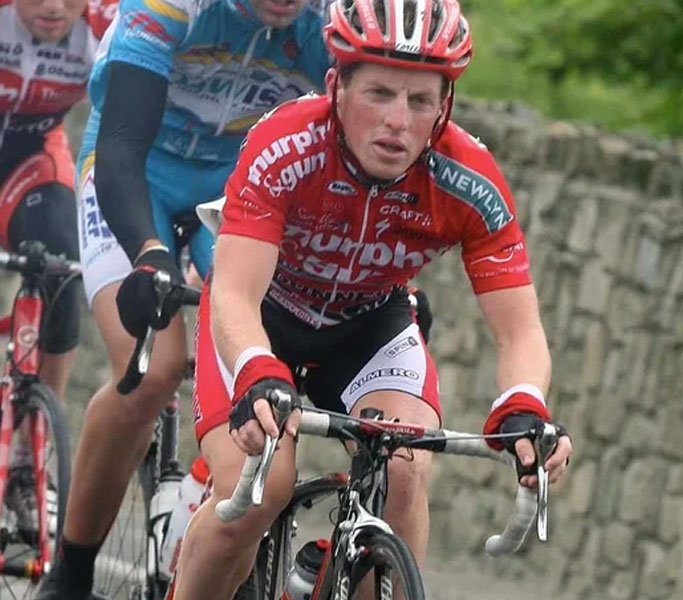
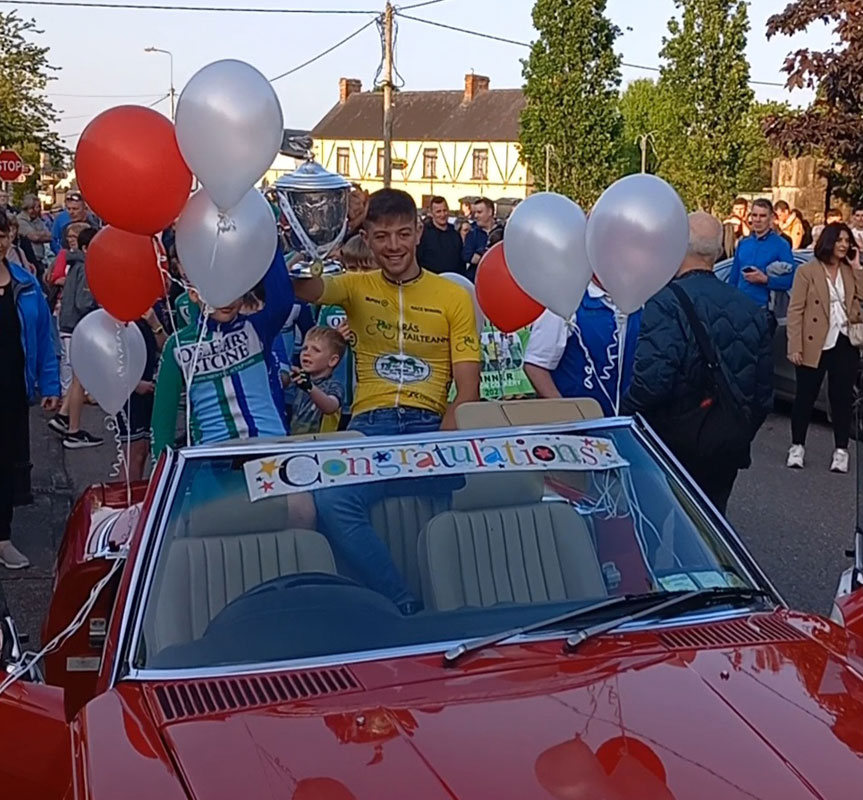
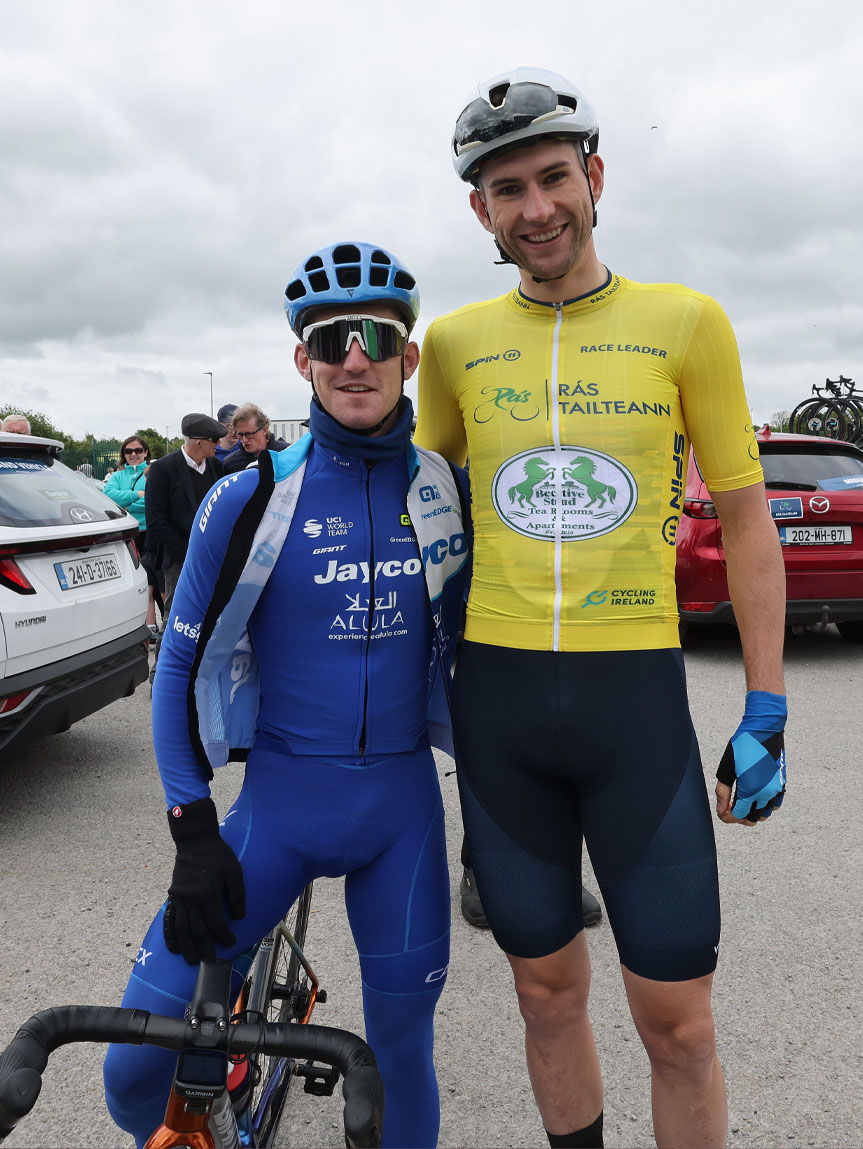
It also offers one of the strongest “local pedigree” links on the entire 2026 route: the race’s own coverage notes that Banteer has produced riders who have occupied the top four on the overall standings over the years, including Dillon Corkery (1st, 2023 - the first Corkman to win the Rás in its then-70-year history), Paudie O’Brien (2nd, 2007), Mick Cahill (RIP, 3rd, 1973), and Eddie Dunbar (4th, 2016). Few finish towns can match that concentration of elite talent from such a small village.
The route snakes through historic spots like Béal na Bláth and past places like Coachford, Nad, and Lyre, blending raw sporting challenge with deep Irish heritage.
So the stage reads beautifully in heritage terms: it begins in a county that produced a historic champion and ends in a village whose riders have repeatedly sat at the very top of the race.
In a race that celebrates Ireland's cycling soul, Stage 2 stands as a tribute to endurance, teamwork, and the unbreakable ties between the Rás and its heartland communities in Kerry and Cork.


